

Designed for flexibility and performance
Whether your barn is cross-ventilated, tunnel-ventilated, or relies primarily on natural air exchange, our systems can be adapted to:

Improve air movement and reduce hotspots

Limit heat stress during peak summer

Prevent cold air drafts in winter months

Enhance energy efficiency with smart automation

Explore our ventilation solutions
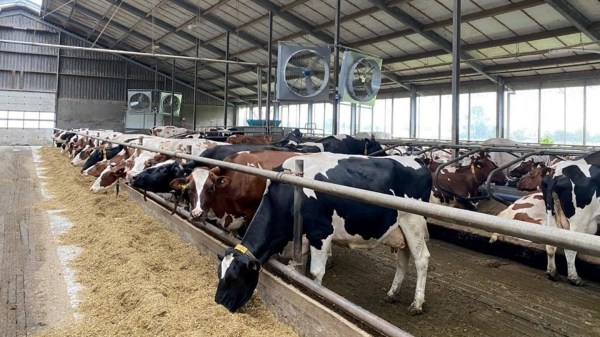
Munters Euroemme Saturn Breeze
Combatting heat stress and boosting dairy productivity, the 55″ Saturn Breeze fan is built from corrosion-resistant plastic for harsh environments. Its energy-saving brushless motor delivers strong, efficient airflow, ensuring optimal animal health and comfort.
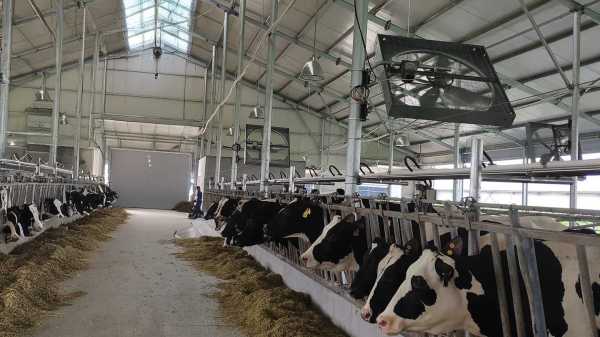
Munters Euroemme MFS
Engineered for durability and reliable operation, MFS high-performance fans deliver powerful, targeted cooling right at animal level for any dairy farms.
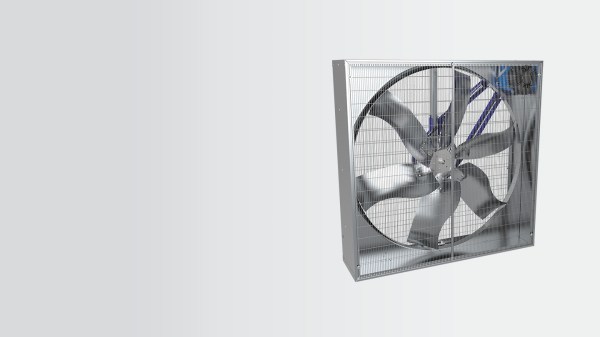
Munters Euroemme EMS
Available up to 50″, EMS powerful belt-driven fans deliver consistent airflow, actively reducing heat stress and maintaining superior air quality across even the largest spaces and demanding dairy and poultry farms.
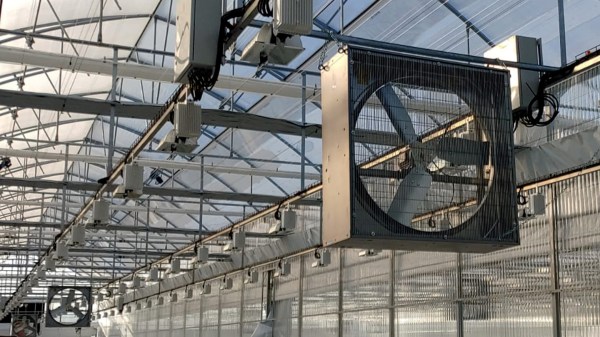
Munters Euroemme EDS HE
EDS HE direct-driven fans, available up to 36″, deliver uniform airflow, actively stabilizing temperature and humidity while minimizing energy consumption in livestock buildings and greenhouses.
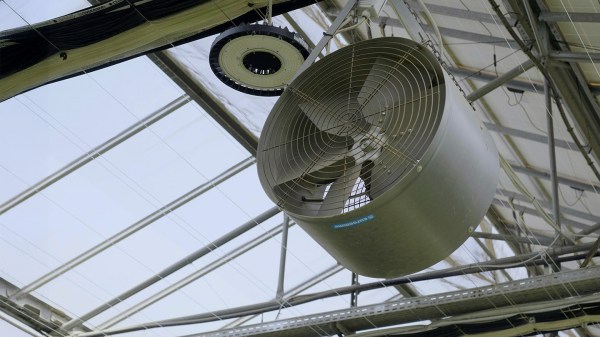
Munters Euroemme EDC GHp
EDC GHp circulation fan breaks up stratified heat, humidity and stagnant air, improving the air quality and climate in any greenhouse or poultry (broiler, layer) application.

Munters Reventa Breeze Fan
Breeze Fan is a high-volume low-speed (HVLS) fan, designed to circulate a vast amount of air with minimal energy consumption, providing the most efficient air circulation solution for animals.
FAQ
Find answers to common questions about climate control and ventilation in open dairy barns, and how to ensure optimal comfort and productivity for your herd.
How does natural ventilation work in open dairy barns?
Natural ventilation relies on wind and thermal buoyancy to move air through sidewall openings and roof ridges. This passive airflow removes heat, moisture, and harmful gases, replacing them with cooler, fresh air from outside—especially effective in well-oriented barns.
Are HVLS fans necessary in open barns?
Yes, High Volume–Low Speed (HVLS) fans are highly recommended—especially during hot, still days when natural airflow alone is insufficient. These fans gently circulate large volumes of air, effectively mixing it to prevent thermal stratification and ensure a more uniform temperature throughout the barn. In open barns, they also help improve litter quality and generate a gentle breeze over the animals. This enhances heat dissipation, eliminates uncomfortable cold spots or harsh drafts, and contributes to more stable temperatures and improved animal comfort.
What problems arise from poor ventilation in open barns?
Inadequate ventilation can lead to heat stress, high humidity, dust and ammonia buildup, all of which compromise cow health, reduce productivity, and increase operational costs.