Key considerations for combi-tunnel systems:

Climate adaptability
Ideal for regions with seasonal or fluctuating temperatures, combi-tunnel ventilation automatically shifts between side and tunnel airflow. This ensures consistent climate control in poultry houses, no matter the weather.

Customized to your
poultry operation
Whether you’re managing broilers, layers, or breeders, we help tailor your ventilation setup to flock type, age, and weight. We guide you in choosing the right fans, air inlets, and cooling pads for optimal production.

Adaptive ventilation
strategy
Our variable-speed E-line fans reduce electricity and heating costs while maintaining ideal airflow. See real-world results in our case studies, or contact our team for a personalized energy-saving assessment for your poultry house.

Long term economic
efficiency
Reduce energy costs and protect flock performance with a system engineered for high-density poultry houses. Combi-tunnel ventilation delivers stable conditions that improve ROI over time.
Smarter ventilation for broiler and layer success
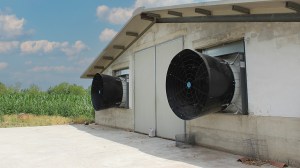
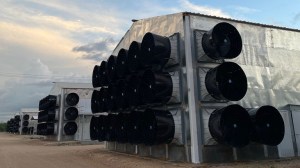
Top benefits of our combi-tunnel ventilation:

Precision airflow with E-line fans
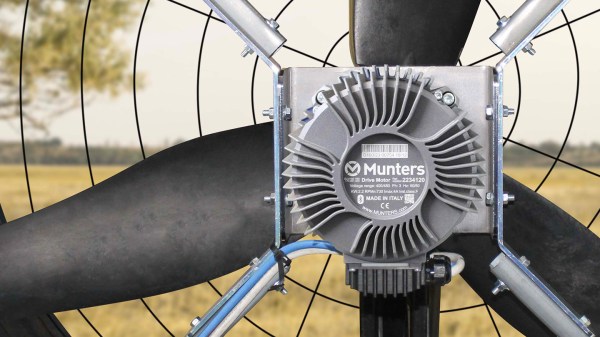
Our variable-speed E-line fans deliver accurate airflow control to match real-time ventilation needs. This boosts energy efficiency, reduces heating costs, and improves overall bird comfort.
→ Discover the advantages of E-line fans
Tailored, Smart System Design
Every poultry house is different. We help you design the most effective ventilation solution based on your production goals, climate conditions, and flock type — ensuring long-term performance.

Built for High-Density Production
Our combi-tunnel systems are engineered to support large flocks with even airflow across the entire barn. This allows for confident stocking, stable animal performance, and predictable results.
Discover other ventilation solutions
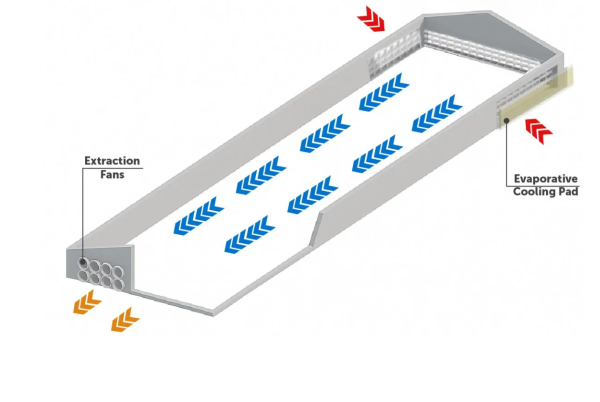
Tunnel Ventilation
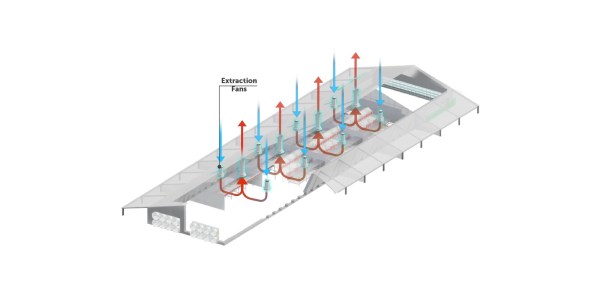
Equal Pressure

Side ventilation
E-line
Explore our climate solutions

Munters Reventa AirProTec
The fresh air filter system AirProTec removes up to 98% of airborne viruses and bacteria according to testing validated by the University of Leipzig.

Munters Reventa Lavamatic
Lavamatic drum washer effectively reduces dust and ammonia emissions from poultry and pig house exhaust air. For pig stables odor reduction with an additional bio stage is possible. This complete, prefabricated module is available in two sizes 50.000 and 100.000 m3/h, and helps livestock farmers to comply with environmental regulations.

Munters Reventa RCP
RCP is UV-resistant polypropylene with an open grid for excellent airflow, low pressure drop, and easy cleaning. This robust, maintenance-friendly pad ensures high-efficiency livestock cooling with long service life and standard dimensions, a superior alternative to traditional paper pads.

Munters Euroemme Saturn Breeze
Combatting heat stress and boosting dairy productivity, the 55″ Saturn Breeze fan is built from corrosion-resistant plastic for harsh environments. Its energy-saving brushless motor delivers strong, efficient airflow, ensuring optimal animal health and comfort.

Munters Euroemme EMS
Available up to 50″, EMS powerful belt-driven fans deliver consistent airflow, actively reducing heat stress and maintaining superior air quality across even the largest spaces and demanding dairy and poultry farms.
Munters Euroemme LFd
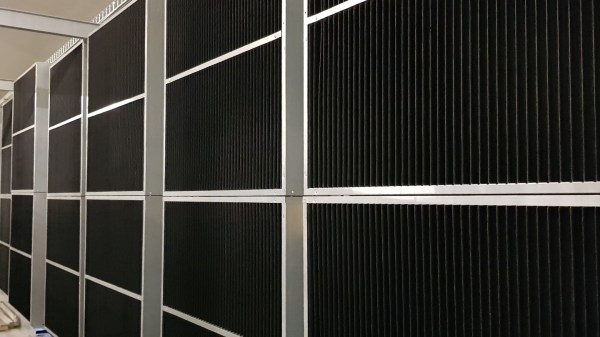
LFd light filter ensures optimal airflow and effectively blocks light in layer houses and greenhouses. Its easy-to-assemble, light-tight design provides superior performance and supports sizes up to 55″.
FAQ
Find answers to the most common inquiries about combi-tunnel, system performance, and how to choose the right solution for your farm.
What’s the difference between side ventilation and tunnel ventilation?
Side ventilation brings fresh air in through side inlets, ideal for minimum ventilation and cold weather. Tunnel ventilation uses high-speed airflow from one end of the house to the other, providing strong cooling during hot weather.
Can combi-tunnel ventilation be installed in existing houses?
In most cases, yes. Many existing poultry houses can be upgraded to combi-tunnel systems with proper planning, structural assessments, and some retrofitting.
What are the requirements for a house to use combi-tunnel ventilation (e.g., airtightness, insulation)?
Key requirements include good airtightness, proper insulation, and well-sealed doors and inlets. These factors ensure efficient airflow and consistent climate control.
How to calculate the number of fans needed for combi-tunnel ventilation?
Fan sizing depends on bird type, stocking density, house dimensions, and target air exchange rates. The best approach is to speak with our poultry experts—they combine years of field experience, advanced ventilation design tools, and a deep understanding of each farm’s unique goals. There’s no one-size-fits-all solution in poultry, and a tailored design ensures optimal performance and energy efficiency.