Key consideration for side ventilation system:
Cold or mild climate
Side ventilation is essential in regions where full tunnel ventilation isn’t practical year-round. The choice of air inlet system must align with external air temperature, flock size, and barn type.
Essential for Brooding & Rearing
In early life stages, chicks are sensitive to drafts and temperature shifts. Side ventilation ensures even, gentle airflow that supports warmth, welfare, and uniform growth.

Efficient Airflow, Lower Energy Costs
When combined with E-line fans, side ventilation minimizes electricity, fuel use, and noise — while maintaining consistent indoor air quality.
Get the best out of your side ventilation


Top benefits of the side ventilation for poultry farmers:
Better climate control i…
Precision with E-Line Fans
Our variable-speed E-line fans offer responsive airflow control, energy efficiency, and quiet operation.
→ Learn more about E-line fans

Healthier chicks from
day one
Gentle, draft-free airflow is perfect for brooding and early-stage birds, reducing stress and supporting better early development and uniformity.

Tailored, smart design
We help define the most effective side ventilation solution based on your climate, barn type, and flock requirements.
→ Request a custom ventilation plan
Discover other ventilation solutions
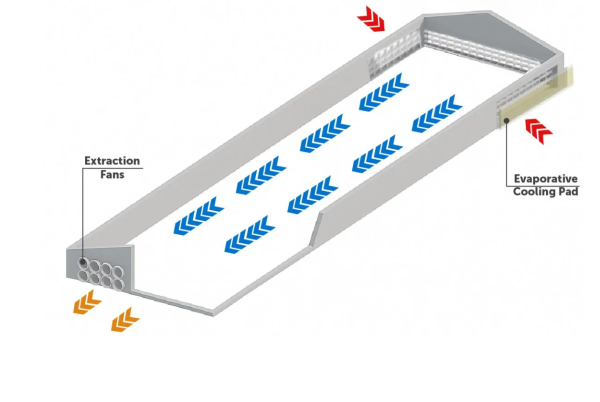
Tunnel Ventilation
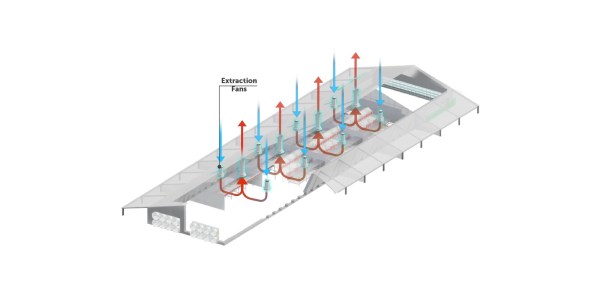
Equal Pressure

Combi-tunnel ventilation
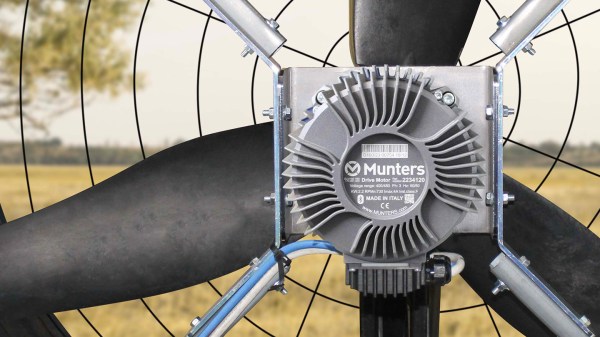
E-line
Explore our climate solutions

Munters Reventa AirProTec
The fresh air filter system AirProTec removes up to 98% of airborne viruses and bacteria according to testing validated by the University of Leipzig.

Munters Reventa Lavamatic
Lavamatic drum washer effectively reduces dust and ammonia emissions from poultry and pig house exhaust air. For pig stables odor reduction with an additional bio stage is possible. This complete, prefabricated module is available in two sizes 50.000 and 100.000 m3/h, and helps livestock farmers to comply with environmental regulations.

Munters Reventa RCP
RCP is UV-resistant polypropylene with an open grid for excellent airflow, low pressure drop, and easy cleaning. This robust, maintenance-friendly pad ensures high-efficiency livestock cooling with long service life and standard dimensions, a superior alternative to traditional paper pads.

Munters Euroemme Saturn Breeze
Combatting heat stress and boosting dairy productivity, the 55″ Saturn Breeze fan is built from corrosion-resistant plastic for harsh environments. Its energy-saving brushless motor delivers strong, efficient airflow, ensuring optimal animal health and comfort.

Munters Euroemme EMS
Available up to 50″, EMS powerful belt-driven fans deliver consistent airflow, actively reducing heat stress and maintaining superior air quality across even the largest spaces and demanding dairy and poultry farms.
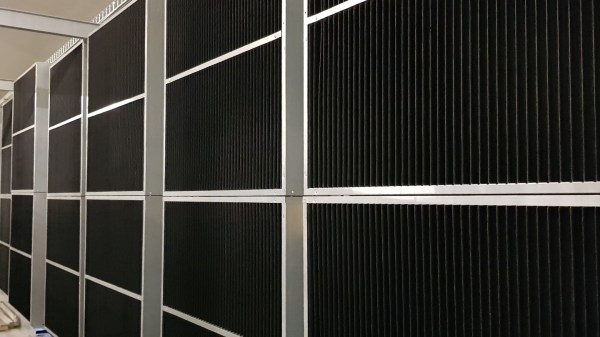
Munters Euroemme LFd
LFd light filter ensures optimal airflow and effectively blocks light in layer houses and greenhouses. Its easy-to-assemble, light-tight design provides superior performance and supports sizes up to 55″.
FAQ
Find answers to the most common inquiries about side ventilation, system performance, and how to choose the right solution for your farm.
How does side ventilation work in poultry houses?
Side ventilation draws fresh air through sidewall inlets, directing it across the ceiling where it mixes with warm air before reaching the birds. It ensures controlled airflow, fresh air exchange, and temperature stability—especially in cooler weather or during brooding.
When should I use side ventilation versus tunnel ventilation?
Use side ventilation during cold or mild weather, or for young birds needing stable, gentle airflow. Switch to tunnel ventilation in hot weather for maximum cooling. Many farms use both in a combi-tunnel system for year-round efficiency.
What are the fan and inlet requirements for proper side ventilation?
You need enough fans to achieve minimum ventilation rates based on bird age and density, and properly sized inlets to control air speed and direction. A well-sealed house is critical to ensure fresh air reaches the center and avoids drafts.
What maintenance is needed for sidewall inlets and fans?
Regularly inspect inlets for dust buildup or mechanical wear. Clean fans and shutters to maintain airflow efficiency. Check actuator function and static pressure levels to ensure inlets open and close as intended.
How do I calculate the minimum ventilation rate using side ventilation?
Minimum ventilation is calculated based on bird weight, age, and house volume, and bird genetics. Consult our ventilation expert for an accurate design.
Can I retrofit side ventilation into an existing poultry house?
Yes, many older houses can be upgraded with side inlets and proper fan systems. Success depends on the house’s airtightness, insulation, and structural layout. A professional evaluation is recommended to ensure effective airflow and climate control.