

Designed For Flexibility and Performance
Adaptable Ventilation Solutions for Cross-Ventilated, Tunnel-Ventilated, and Naturally Ventilated Barns

Improve Air Movement and Reduce Hotspots

Limit Heat Stress During Peak Summer Months

Prevent Cold Air Drafts in Winter Months

Enhance Energy Efficiency With Smart Automation
Leading Dairy Farm Ventilation Solutions
At Grain ProteinTech Climate Control & Air Treatment, we understand the challenges faced by dairy farmers in achieving optimal climate conditions. Our solutions are designed to address these challenges, whether you operate in a closed environment or an open setup with circulation fans. We offer a range of climate control technologies that prioritize animal welfare, milk quality, and energy efficiency.


Prososki Family Farms – Dairy Ventilation Builds a Legacy
Discover how Prososki Family Farms uses advanced dairy barn ventilation and modern facility design to improve cow comfort, herd health, and long-term dairy performance.
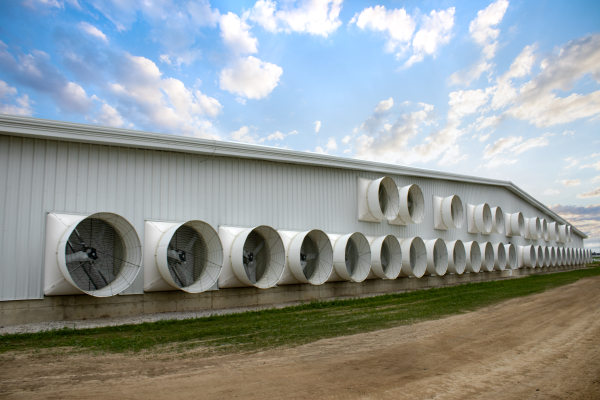
Climate Solutions in Action: Supporting Dairy Excellence at Michigan State University
We’re proud to partner with the Michigan State University Dairy Cattle Teaching & Research Center, where our climate solutions help provide a consistent environment for both the university’s research and teaching programs.
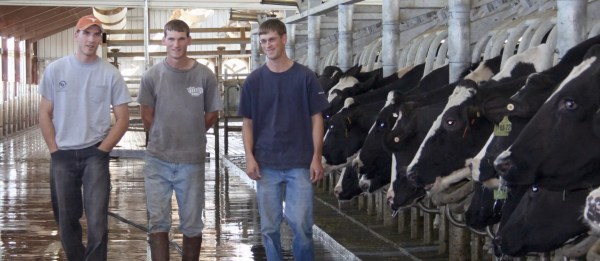
Van Ess Dairy
Located in Sanborn, Iowa, the Van Ess Dairy farm is a testament to the transformative power of innovative ventilation solutions. The family, led by Harvey and Lisa Van Ess with their sons, has witnessed firsthand how maintaining an optimal indoor climate for their dairy cows has translated into consistent milk production, even amidst the unpredictable Iowa climate.
Explore Our Ventilation Solutions

Aerotech Vortex 36-55 Belt Drive
We set the bar with our patented M-Drive motor technology. Today, we lead the EC motor market with more than 25,000 units in the field. Engineered for high performance and low energy consumption, Vortex series fans equipped with M-Drive can reduce electric energy consumption by 40%, are nearly maintenance free, lower energy costs, and are part of a sustainable system design.
Aerotech Vortex 36-55 M-Drive
We lead the EC motor market in agriculture with more than 25,000 units in the field. Engineered for high performance and low energy consumption, Vortex series fans equipped with M-Drive can reduce electric energy consumption by 40%, are nearly maintenance free, lower energy costs, and are part of a sustainable system design.

Aerotech Vortex 74
The Aerotech Vortex 74 Exhaust Fan delivers big performance for a comfortable, healthy herd. Crafted and assembled in the USA with premium, locally sourced components, this robust fan features a corrosion-resistant fiberglass housing and a durable 182-frame motor engineered for demanding dairy and livestock environments

Aerotech CX74
The Aerotech CX74 is a circulation fan designed, engineered and built in the USA for the demanding conditions of a modern dairy operation. Big comfort for a healthy herd.

Aerotech AX
The Aerotech AX Series offers robust, energy efficient circulation fans designed and built in the USA to deliver unmatched durability and performance. Available in 36″, 48″, and 51″ models, feature premium cast-aluminum airfoil propellers with a limited lifetime warranty, heavy-gauge galvanized orifice panels, and pillow-block bearings for long-term reliability.

Aerotech AT Classic
The Aerotech AT Series Fans deliver outstanding ventilation performance for agricultural and horticultural environments. Precision engineered cast-aluminum airfoil propellers durable fiberglass housings, reinforced with corrosion-resistant hardware, built to withstand rigorous use.
FAQ
Find answers to common questions about climate control and ventilation in a closed environment or an open set up, and how to ensure optimal comfort and productivity for your herd.
What are the main differences between open barn and closed barn ventilation systems?
Open barn ventilation systems rely primarily on natural airflow, using wind and thermal buoyancy to circulate fresh air. They are cost-effective and ideal for milder climates but offer less control over temperature and humidity. Closed barn ventilation systems use mechanical fans, often combined with evaporative cooling pads and automated climate controls, to maintain precise temperature, humidity, and air quality year-round. Closed barns provide superior protection from extreme weather, reduce airborne contaminants, and optimize cow comfort and productivity in all seasons, making them ideal for intensive dairy operations.
Can ventilation systems be customized for different barn designs?
Yes, modern dairy ventilation systems are fully customizable to fit a variety of barn designs including open, cross-ventilated, tunnel-ventilated, and closed barns. Advanced ventilation solutions use variable-speed fans, automated climate controls, and modular airflow components that can be tailored to the specific size, layout, and climate conditions of your dairy facility. Customization ensures efficient air distribution, optimal temperature regulation, and energy savings regardless of barn architecture or regional weather challenges.