
Key considerations for tunnel ventilation system

Mild & humid climates
Mild & Humid Climates are the most challenging because the evaporative cooling is less effective and major role of cooling is entrusted by high air speed

Hot & dry climates
In Hot & dry climates the major role of cooling is on the evaporative cooling pads, choosing the right pad (CELdek) is very important to ensure a proper temperature reduction

Heat Stress prevention
Heat stress is source of production losses because animals eat less and spend more energy for thermoregulation. Avoiding or mitigating heat stress allows you to increase the productivity rate of your poultry house.
Get the best out of your tunnel ventilation


Top benefits poultry farmers:

Higher FCR
A suitably designed tunnel ventilation system allows to get-rid of heat stress increasing the FCR of the animals compared to low performance system

Stable performances & …
maintenance
Using direct-drive cone fans as Saturn ONE/FIVE allows to keep stable performances in tunnel ventilation without airflow losses due to belt-loose but also reduce maintenance costs especially in multi-floor layer barns

Energy Efficiency & Cost Saving
The use of Saturn ONE/FIVE cone fans helps to reduce energy consumption compared to standard box fans, this is extremely important especially in highly ventilated barns in hot countries but also where energy prices are high
Discover other ventilation solutions

Equal Pressure
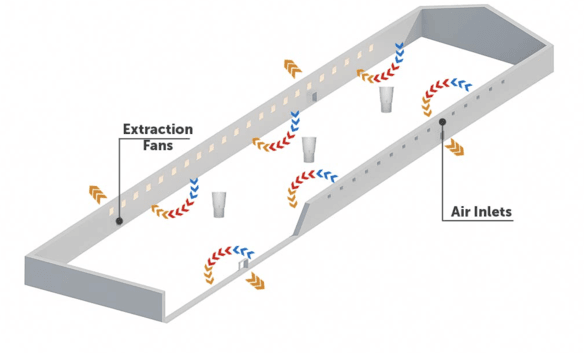
Side ventilation

Combi-tunnel ventilation

E-line
Explore our climate solutions
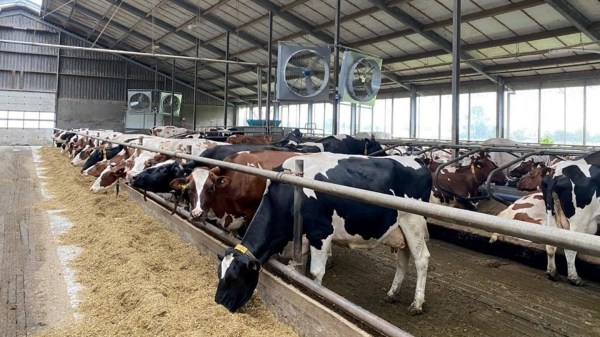
Munters Euroemme Saturn Breeze
Combatting heat stress and boosting dairy productivity, the 55″ Saturn Breeze fan is built from corrosion-resistant plastic for harsh environments. Its energy-saving brushless motor delivers strong, efficient airflow, ensuring optimal animal health and comfort.
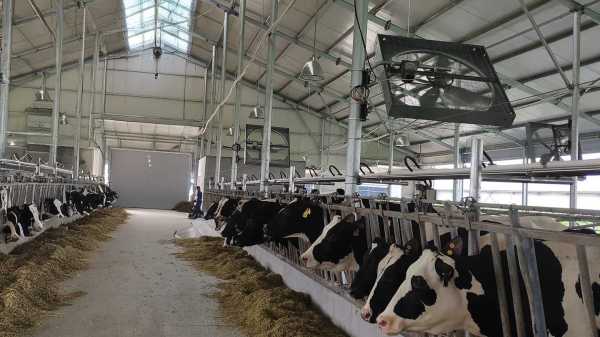
Munters Euroemme MFS
Engineered for durability and reliable operation, MFS high-performance fans deliver powerful, targeted cooling right at animal level for any dairy farms.
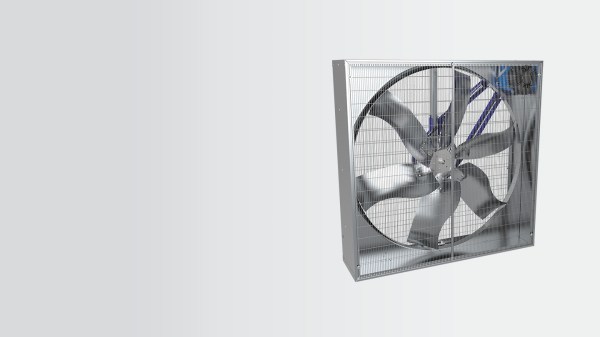
Munters Euroemme EMS
Available up to 50″, EMS powerful belt-driven fans deliver consistent airflow, actively reducing heat stress and maintaining superior air quality across even the largest spaces and demanding dairy and poultry farms.
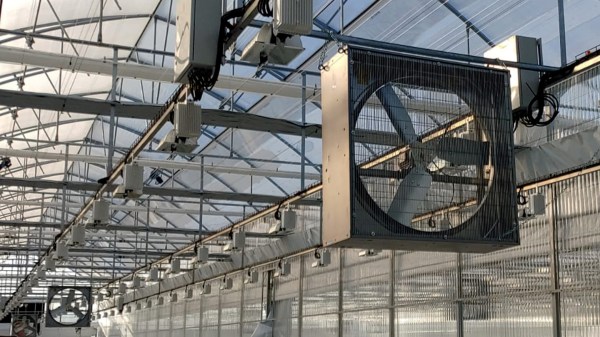
Munters Euroemme EDS HE
EDS HE direct-driven fans, available up to 36″, deliver uniform airflow, actively stabilizing temperature and humidity while minimizing energy consumption in livestock buildings and greenhouses.
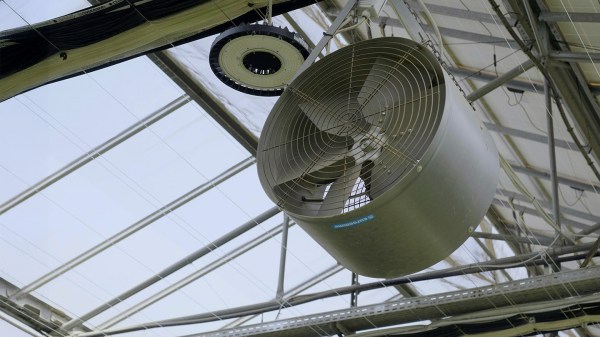
Munters Euroemme EDC GHp
EDC GHp circulation fan breaks up stratified heat, humidity and stagnant air, improving the air quality and climate in any greenhouse or poultry (broiler, layer) application.

Munters Reventa Breeze Fan
Breeze Fan is a high-volume low-speed (HVLS) fan, designed to circulate a vast amount of air with minimal energy consumption, providing the most efficient air circulation solution for animals.
FAQ
Find answers to the most common inquiries about side ventilation, system performance, and how to choose the right solution for your farm.
What is tunnel ventilation and how does it work in poultry houses?
Tunnel ventilation is a ventilation strategy where air is drawn in at one end of the poultry house and exhausted at the other, creating a high-speed, uniform airflow. This “tunnel effect” generates a wind-chill that helps birds cool down by increasing the heat removal from animals.
When is tunnel ventilation most effective?
Tunnel ventilation is most effective in hot and humid climates. It’s used during warmer periods generating high airspeed when birds are prone to heat stress.
What are the main components of a tunnel ventilation system?
This system combines the use of evaporative cooling pads with high performance extraction fans to cool-down supply air that flows longitudinally in the barn with high air speed.
How does tunnel ventilation contribute to bird welfare and performance?
By maintaining adequate temperature/humidity conditions, tunnel ventilation reduces heat stress, which can lead to improved feed intake, better growth rates, reduced mortality, and overall healthier, more productive flocks.
Can tunnel ventilation be combined with other ventilation strategies?
Yes, tunnel ventilation is most of the times part of a complete ventilation strategy. It can be used in conjunction with side ventilation system for minimum and transition to provide year-round optimal climate control, adapting to varying external climate conditions and bird ages.