
Key benefits of efficient pig ventilation systems

Air Quality
Efficient ventilation reduces ammonia, CO₂, and dust levels, protecting pigs and staff from harmful exposure and improving animal welfare.

Enhanced Productivity
A suitably designed ventilation system in conjunction with cooling and heating ensures optimal temperature and humidity, promoting growth, reproduction, reduces medicine usage, and mortality.

Energy Saving
Smart ventilation minimizes unnecessary heating or cooling losses, lowering energy costs.

Animal Welfare
Stable airflow reduces respiratory stress and heat accumulation in all housing types, farrowing, nursery, or fattening.
Tailored airflow strategies to boost pig health and farm efficiency


Explore our ventilation solutions

Heating

Cooling
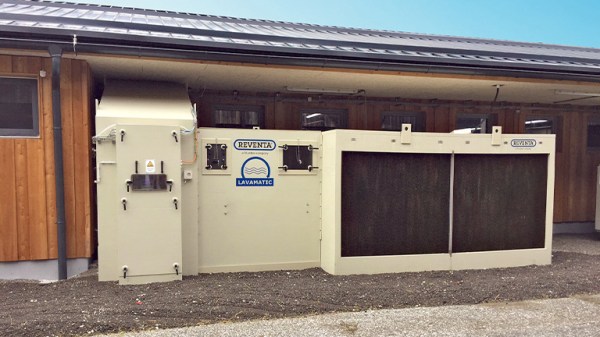
Air Treatment
FAQ
Proper ventilation in pig housing is essential, but it can also raise a lot of questions. Below you’ll find answers to the most common queries from farmers, integrators, and facility managers looking to improve air quality, energy efficiency, and animal health.
What is the ideal ventilation rate for pigs?
Ventilation rates vary depending on the age, weight, and number of pigs in the facility. For example, newly weaned piglets may require 2–5 m³/hour per pig, while finishing pigs can need up to 100 m³/hour each in hot conditions. Systems should adapt seasonally and be guided by real-time climate control sensors.
Should I use natural or mechanical ventilation?
Natural ventilation is cost-effective and can work well in regions with mild climates. However, mechanical or hybrid systems are better suited for controlled airflow, biosecurity, and regions with temperature extremes. We offer tailored combinations depending on your barn layout and goals.
What’s the best way to ventilate farrowing or nursery units?
Young piglets are highly sensitive to drafts and temperature changes. Ducted air distribution or ceiling inlets combined with gentle airflow patterns are ideal. These systems deliver fresh air without chilling piglets or disturbing the sow.
How can I reduce energy costs while ventilating my pig barn?
Using high-efficiency fans, properly sized inlets, and smart climate controllers can significantly reduce electricity consumption. Investing in energy-optimized ventilation systems like the Saturn Five E-line fan also improves performance without sacrificing airflow.